



Meme Stocks Reappear. Avis Shares Reach New Highs Amid Short Squeeze. Can Retail Investors Still Buy?
TradingKey - U.S. car rental giant Avis (CAR.US) is recreating the capital-driven short squeeze GameStop (GME) moment; over the past six weeks, Avis's stock price has rocketed from the $100 range to an all-time high of $713.97, a cumulative gain of more than 200%. It surged 17.27% on April 21, closing at $713.97.
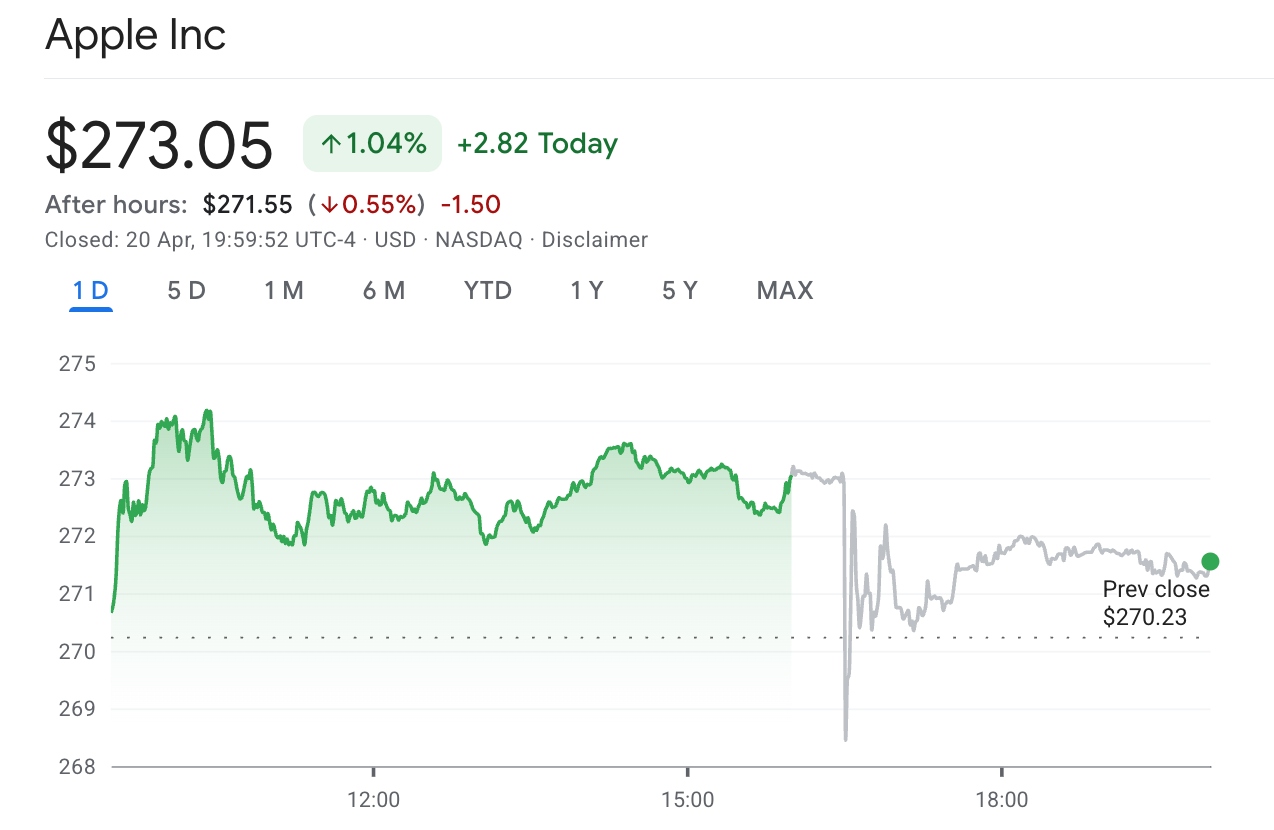
As of Tuesday's close ET, the stock continued its rally, opening up more than 10% and hitting another record high, with its monthly gain reaching nearly 390%.
The reasons behind the "epic" short squeeze of Avis Budget Group.
In April 2026, Pentwater Capital Management suddenly announced it was building a massive position in Avis, with its stake quickly rising to 22%. With long-term major shareholder SRS Investment Management already holding nearly half the shares, the actual free float available for trading has been squeezed to the extreme.
The high concentration of ownership has left short sellers in a desperate bind. As capital continues to pour in and the share price climbs, shorts are being forced to cover at high levels, a passive buying wave that is further fueling the upward spiral.
In 2021, GameStop's short interest famously topped 100%. Combined with retail investors banding together on social media, it triggered a cascade of short liquidations that sent the stock up over 1,500% in two weeks. The current squeeze in Avis is almost a carbon copy of that playbook.
Avis's short interest is now estimated to be near 100% of its float, making the market a pure battleground for bulls and bears. If the stock price is driven higher, shorts who haven't covered will face mounting margin call pressure, which could further intensify the squeeze.
Weak fundamentals fail to support its sky-high P/E ratio.
In stark contrast to the surging stock price, Avis's fundamentals are currently at a "freezing point".
Fourth-quarter 2025 earnings showed revenue of $2.7 billion, missing the $2.75 billion expected by analysts. Due to the shortened service life of its electric vehicle fleet, the company recorded a massive $518 million impairment charge, leading to a loss of $21.25 per share for the quarter. The first half of 2025 also saw consecutive losses.

Wall Street analysts have recently warned that this frantic rally has become severely decoupled from business fundamentals. Avis is currently trading at 175 times projected 2026 earnings, and the company carries approximately $6 billion in debt. This is reminiscent of the bubble logic surrounding GameStop in 2021, where its market capitalization soared to tens of billions of dollars despite per-share losses.
Deutsche Bank analyst Chris Woronka stated bluntly that it is "difficult to justify the current stock price using traditional metrics and a 12-month investment horizon," downgrading the rating from "Buy" to "Hold" with a price target of just $128.
Amid the sustained rally, is it still worth buying for retail investors?
Analyst Dan Levy said the market finds it difficult to judge how much longer this rally can last, and expects the stock price to eventually return to normal levels, especially if the company takes advantage of the rising share price to raise funds through a new share issuance.
Historical experience indicates that once the long and short forces in a short squeeze rebalance, the bubble tends to burst much faster than it expanded.
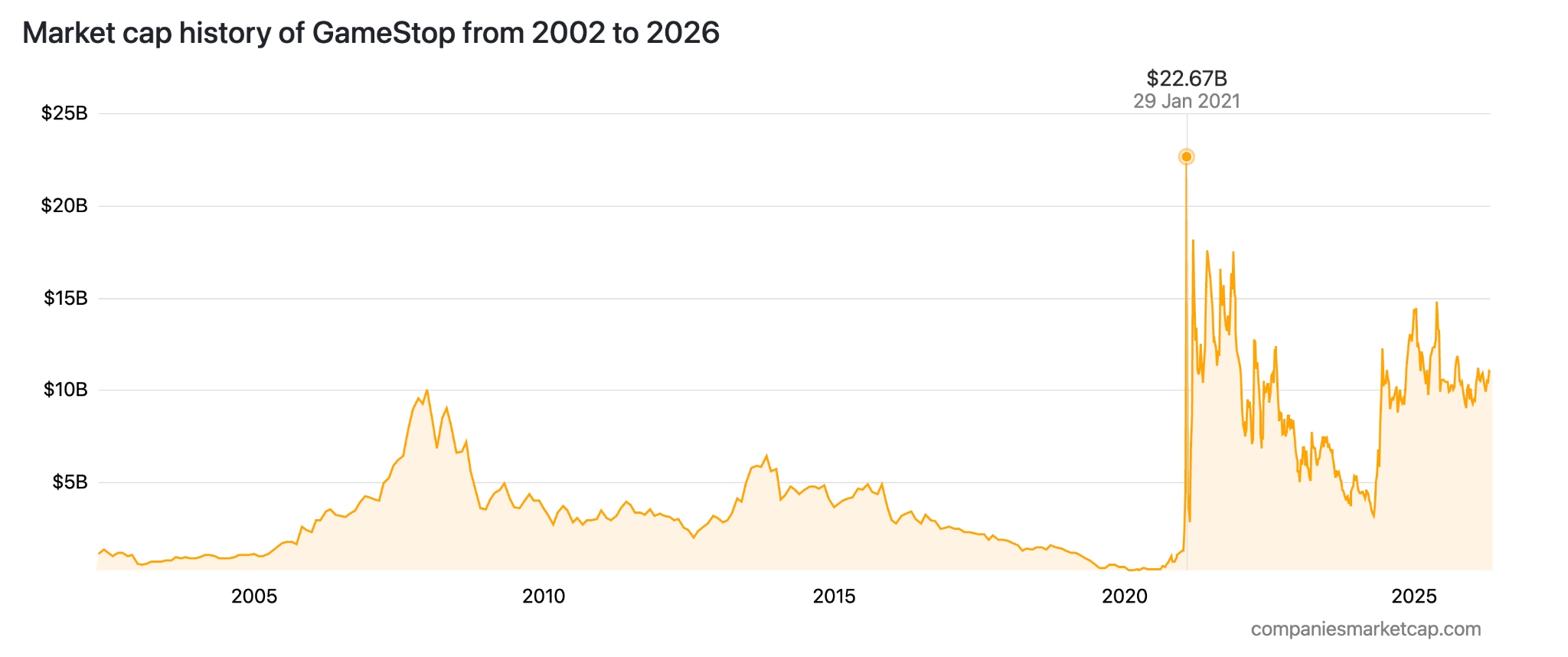
[GameStop plummeted after its short squeeze bubble burst, Source: Companiesmarketcap]
In 2021, GameStop's stock price fell nearly 90% cumulatively just four days after peaking; this lesson is worth careful consideration for investors currently holding Avis positions.
For investors already in the market, setting timely stop-losses is crucial if sentiment shifts abruptly; for those on the sidelines, such assets are not suitable investment choices, as buying these Meme stocks is more of a speculative act where high returns come with the risk of heavy losses, and the risk-reward ratio will be magnified given the current sustained rally.
We still do not recommend that retail investors with low risk tolerance participate in the speculation of such assets.
Nothing in this material constitutes investment advice, personal recommendation, investment research, an offer, or a solicitation to buy or sell any financial instrument. The content has been prepared without consideration of your individual investment objectives, financial situation, or needs, and should not be treated as such.
Past performance is not a reliable indicator of future performance and/or results. Forward-looking scenarios or forecasts are not a guarantee of future performance. Actual results may differ materially from those anticipated.
Mitrade makes no representation or warranty as to the accuracy or completeness of the information provided and accepts no liability for any loss arising from reliance on such information.
Recommended Articles


