



Oracle Corp Stock (ORCL) Moved Down by 4.31% on Jul 16: What Investors Need To Know
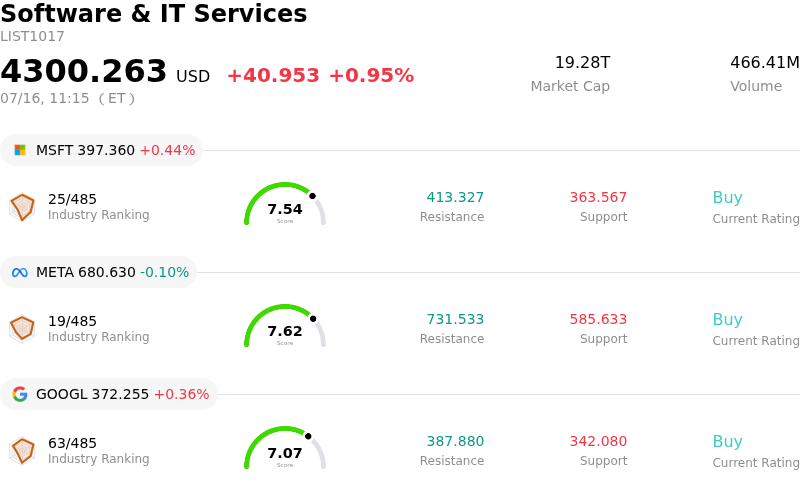
Oracle Corp (ORCL) moved down by 4.31%. The Software & IT Services sector is up by 0.95%. The company underperformed the industry. Top 3 stocks by turnover in the sector: Microsoft Corp (MSFT) up 0.44%; Meta Platforms Inc (META) up 0.04%; Alphabet Inc Class A (GOOGL) up 0.36%.
What is driving Oracle Corp (ORCL)’s stock price down today?
The recent downward movement in Oracle’s share price is primarily driven by a combination of macroeconomic headwinds and sector-wide shifts in investor sentiment regarding cloud infrastructure spending. As the Federal Reserve maintains a restrictive monetary stance, high-growth technology stocks with elevated valuations are facing increased scrutiny. Investors are currently recalibrating their expectations for enterprise software spending, fearing that a broader economic slowdown may lead corporate clients to delay major cloud migration projects and digital transformation initiatives.
In addition to macro factors, intensifying competition in the cloud services market is weighing on the company’s outlook. Reports suggesting that primary rivals in the hyperscale space are implementing aggressive pricing strategies to capture market share have raised concerns about Oracle’s long-term margin sustainability. While the company has successfully pivoted toward a cloud-first model, the market is now questioning whether it can maintain its historical profitability levels as it competes for high-stakes artificial intelligence and infrastructure contracts against larger, more capitalized incumbents.
Institutional portfolio adjustments are also playing a significant role in the current volatility. Following a series of analyst notes that revised short-term revenue growth targets downward, several large-scale funds appear to be rebalancing their tech exposure. These adjustments often trigger automated sell orders, exacerbating intraday fluctuations. The skepticism among analysts largely stems from the pace of integration for recent large-scale acquisitions, where execution risks and slower-than-anticipated synergy realization have prompted a more cautious stance from the brokerage community.
Furthermore, specific operational risks related to the company’s healthcare technology division are contributing to the negative sentiment. News of delays in platform upgrades and regulatory hurdles in international markets have introduced uncertainty regarding the division’s near-term contribution to earnings. For a company that has pinned much of its growth narrative on industry-specific cloud solutions, these setbacks are viewed as a significant hurdle to achieving fiscal year guidance, leading to a tactical retreat by risk-averse investors.
Finally, the broader market environment is characterized by a spike in the VIX volatility index, which typically leads to a sell-off in large-cap software names. As capital moves toward more defensive assets or stays on the sidelines awaiting clearer data on inflation and enterprise IT budgets, Oracle has become a casualty of this flight to safety. The lack of a near-term positive catalyst, such as a major product launch or an earnings beat, leaves the stock vulnerable to these prevailing downward pressures and sector-wide de-risking.
Technical Analysis of Oracle Corp (ORCL)
Technically, Oracle Corp (ORCL) shows a MACD (12,26,9) value of -1.938, indicating a sell signal. The RSI at 30.416 suggests neutral condition and the Williams %R at 83.711 suggests oversold condition. Please monitor closely.
Media Coverage of Oracle Corp (ORCL)
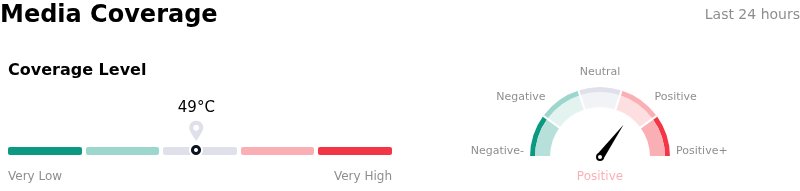
In terms of media coverage, Oracle Corp (ORCL) shows a coverage score of 49, indicating a moderate level of media attention. The overall market sentiment index is currently in bullish zone.
Fundamental Analysis of Oracle Corp (ORCL)
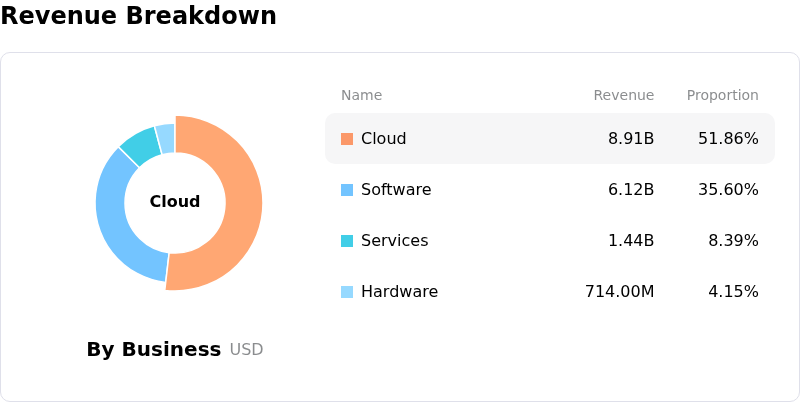
Oracle Corp (ORCL) is in the Software & IT Services industry. Its latest annual revenue is $67.36B, ranking 8 in the industry. The net profit is $16.98B, ranking 6 in the industry. Company Profile
Over the past month, multiple analysts have rated the company as Buy, with an average price target of $255.57, a high of $400.00, and a low of $155.00.
More details about Oracle Corp (ORCL)
Company Specific Risks:
- Multiple Compression and Sector Rotation: ORCL is experiencing significant intraday volatility as institutional investors rotate capital away from high-multiple AI infrastructure beneficiaries, leading to a rapid decompression of the stock’s forward P/E ratio despite recent contract announcements.
- OCI Infrastructure Execution Risks: Concerns have intensified regarding the pace of data center deployment, as power availability and supply chain constraints for critical GPU hardware threaten Oracle's ability to convert its record-high remaining performance obligations (RPO) into recognized revenue on the projected timeline.
- Cerner Integration and Margin Headwinds: Market analysts continue to flag the dilutive impact of the Cerner healthcare unit, where the transition of legacy on-premise contracts to lower-margin cloud-based subscription models is creating a persistent drag on consolidated operating margins.
- Sovereign Cloud Competitive Pressures: Increased aggressive bidding and localized pricing strategies from hyperscale competitors like Microsoft Azure and AWS in the sovereign cloud and public sector markets are threatening Oracle’s market share and forcing potential pricing concessions on long-term government contracts.
Nothing in this material constitutes investment advice, personal recommendation, investment research, an offer, or a solicitation to buy or sell any financial instrument. The content has been prepared without consideration of your individual investment objectives, financial situation, or needs, and should not be treated as such.
Past performance is not a reliable indicator of future performance and/or results. Forward-looking scenarios or forecasts are not a guarantee of future performance. Actual results may differ materially from those anticipated.
Mitrade makes no representation or warranty as to the accuracy or completeness of the information provided and accepts no liability for any loss arising from reliance on such information.
Recommended Articles


